Yan Jing / LPGA-Getty Images
The thermometer on the first tee at Magnolia Grove read 38 degrees this morning.
In the humidity-heavy air of Southern Alabama, that isn’t just cold; it is a bone-rattling chill that stiffens backs and numbs fingers. For the 100-plus women preparing to play the most important round of golf of their lives, the opponent today is no longer just the course—it is the atmosphere itself.
After five grueling days defined by torrential rain and fog delays, the LPGA Q-Series has reached its breaking point. Officials made the call yesterday to shorten the marathon from 90 holes to 72, turning what is usually an endurance test into a frantic sprint.
As the sun finally breaks through the clouds on this Tuesday morning, the silence across the Crossings Course is heavy. There are no corporate chalets here. No grandstands. Just the soft thud of spikes on wet turf, the whisper of caddies checking yardages, and the suffocating pressure of the “Top 25.”
The Solo Leader
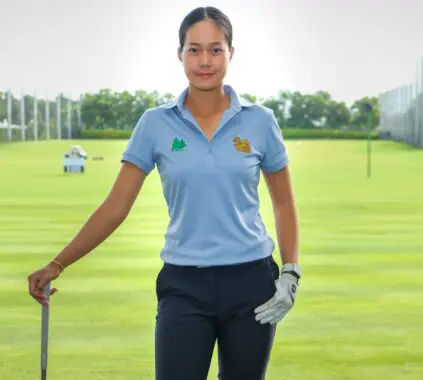
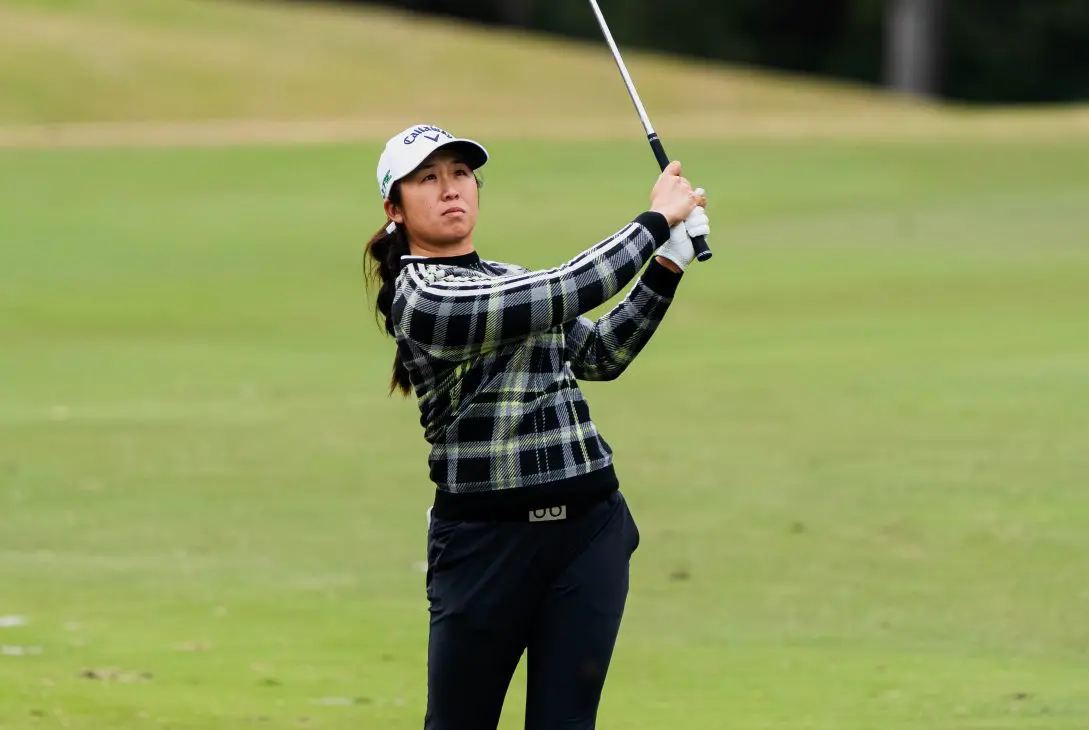
Standing alone at the top is Jing Yan.
The Chinese veteran, sitting at 11-under par, has separated herself from the pack not with flash, but with a rhythmic consistency that seems immune to the chaos. While play was suspended due to darkness last night, Yan was in the middle of a masterclass. She has eight holes left to play today—eight holes to defend a one-shot lead over Japan’s Kokona Sakurai and the German sensation Helen Briem.
Yan’s performance is a study in professional management. In conditions where the ball is flying shorter and the fairways offer zero roll, she hasn’t forced the issue. She has simply refused to make mistakes.
The Chasing Pack
Behind her, the leaderboard is a minefield of storylines.
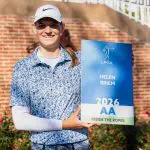
Helen Briem, the powerful German who dominated the early rounds, has slipped back but remains dangerous. She sits just one shot off the pace. The question for Briem this morning isn’t physical—it’s mental. Can she reset after losing the lead and attack flags on a course that punishes indecision?
Then there is the electric charge of Mimi Rhodes. The Englishwoman looked dead in the water on day one, carding a sloppy 75. But something clicked in the rain. She fired a blistering 66 in Round 3—including a spectacular eagle hole-out—to vault herself into the top 20. She enters this morning inside the number, but safely navigating the frozen fairways today will require nerves of steel.
And perhaps most compelling is the teenager, Gianna Clemente. At just 17 years old, playing on a sponsor’s exemption, she is schooling veterans twice her age. Sitting comfortably at 4-under par, she isn’t just trying to make the tour; she is trying to announce her arrival.
Survival of the Warmest
To understand the difficulty of today’s final round, you have to understand the physics of cold-weather golf.
When the temperature drops below 40 degrees, the golf ball compresses differently. It flies shorter. The air is denser. A 7-iron that usually flies 155 yards might only carry 145 today.
“It’s heavy out there,” one caddie remarked near the putting green. “The ground is soft, the air is wet. You have to trust your gear because your body isn’t going to feel 100 percent.”
This is where the amateur game disconnects from the professional reality. We tend to think of golf as a game of swing mechanics. But at Q-School, in these conditions, it is a game of equipment management.
The players rising up the board this morning—Yan, Rhodes, Clemente—aren’t shivering. They are managing their core temperature. They are wearing technical fabrics that allow for full rotation without the bulk of a winter coat. They are trusting high-launching irons to hold greens that are receptive but difficult to reach.
The Final Count
By this afternoon, the math will be final. The top 25 and ties will earn full LPGA Tour status for 2026. The next 20 will head to the Epson Tour.
For the players on the bubble—like Ireland’s Lauren Walsh, currently two shots outside the line—every swing is a career-defining moment. A birdie on the 18th could mean a life traveling the world on the biggest stage; a bogey could mean another year of grinding in rental cars and budget hotels.
The sun is out. The air is crisp. The fairways are open.
It’s a beautiful day to change your life.
Master The Elements (Tour-Level Gear)
The pros in Mobile are battling freezing temperatures and heavy air to earn their cards. You might not be playing for a tour card, but you can upgrade your game with the same equipment strategies they are using today.
1. The “Mobile” Layering System
When it’s 38 degrees on the tee, a cotton hoodie won’t cut it. You need technical merino blends that trap heat while wicking away the sweat of a high-pressure round.
-
Our Pick: The Radmor Golf Fall/Winter Collection. Sustainable, high-performance fabrics designed for exactly the kind of morning they are having in Alabama. Shop Radmor at Fairway Queens
2. Launch It High
In heavy air and soft conditions, carry distance is king. If you’re struggling to hold greens in the winter, it might be time to switch to a higher-launching profile.
-
Our Pick: Cobra’s DarkSpeed line. Engineered for maximum forgiveness and high launch, perfect for when the conditions are fighting against you. Explore Cobra Golf at Fairway Queens
3. Ground Control
Wet turf is the enemy of swing speed. Watching the Q-Series, you’ll notice the leaders have incredibly quiet feet—no slipping, no sliding.
-
Our Pick: Puma Golf’s latest traction technology. Whether you prefer spiked or spikeless, stability starts from the ground up. Shop Puma Shoes at Fairway Queens.